Visual Editing & Art Direction Portfolio
click the header of each project to see the full, published story
How a call for help got Kevin Price killed by Fitchburg police
An investigative collaboration with Cap Times reporter Danielle DuClos examining how a 28-year-old man who called 911 for help ended up shot and killed by the officer who responded. The visual challenge here was profound: Kevin Price was dead, no imagery of his life existed in our archive, and the people who loved him were deep in grief. I sourced a portrait of Price from his former boyfriend Javier DeLuna and photographed DeLuna's apartment — including a drawing and photograph of Price sitting on a coffee table — to create images that placed Kevin in a space he had actually lived in, rather than reducing him to a news photo. We also sourced Wisconsin Department of Justice crime scene drone imagery and worked with designer Brandon Raygo on a graphic reconstructing the shooting scene from body camera footage and state investigation records. The result is a story told through four distinct visual channels, each serving a different purpose: humanity, evidence, place, and data.
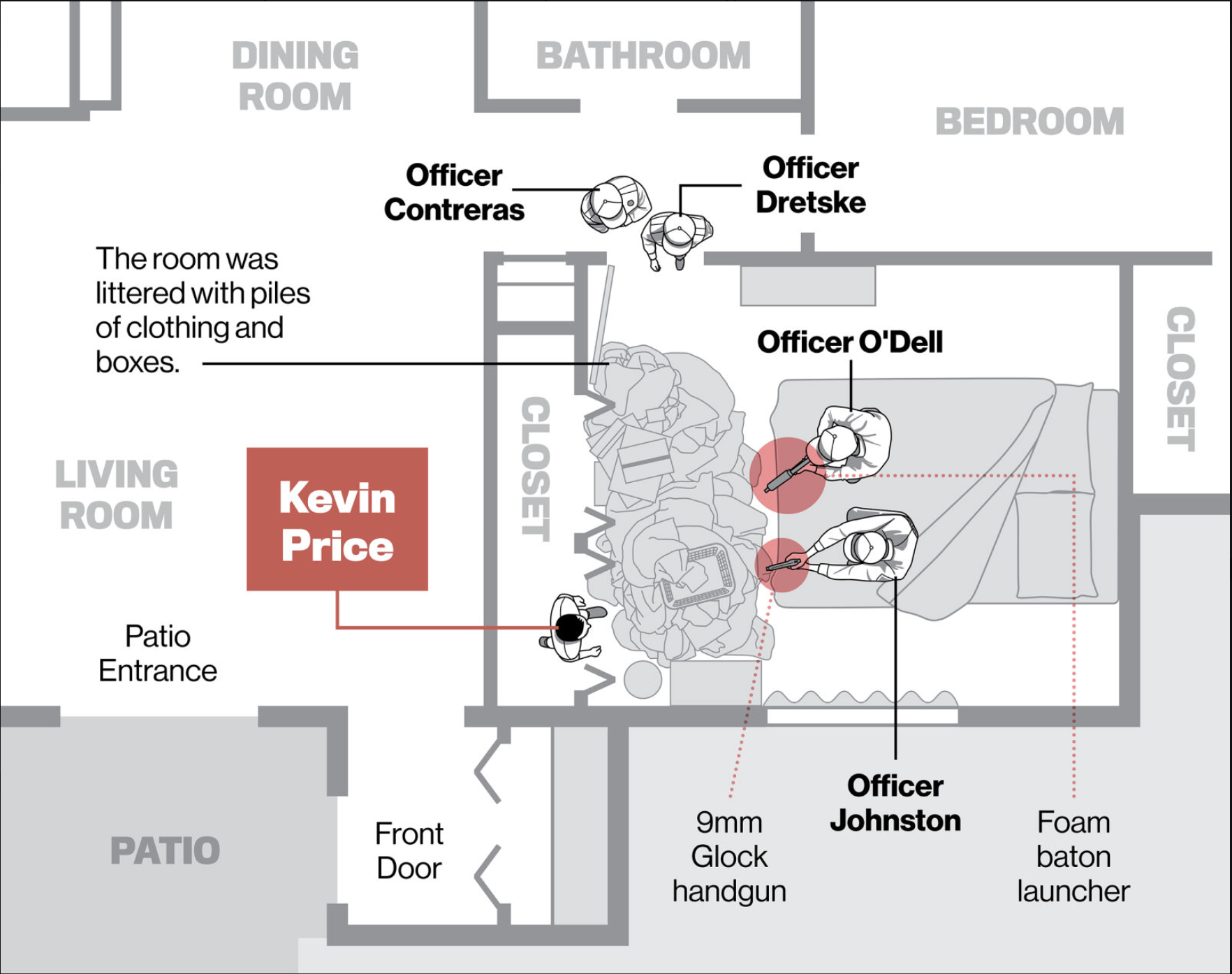
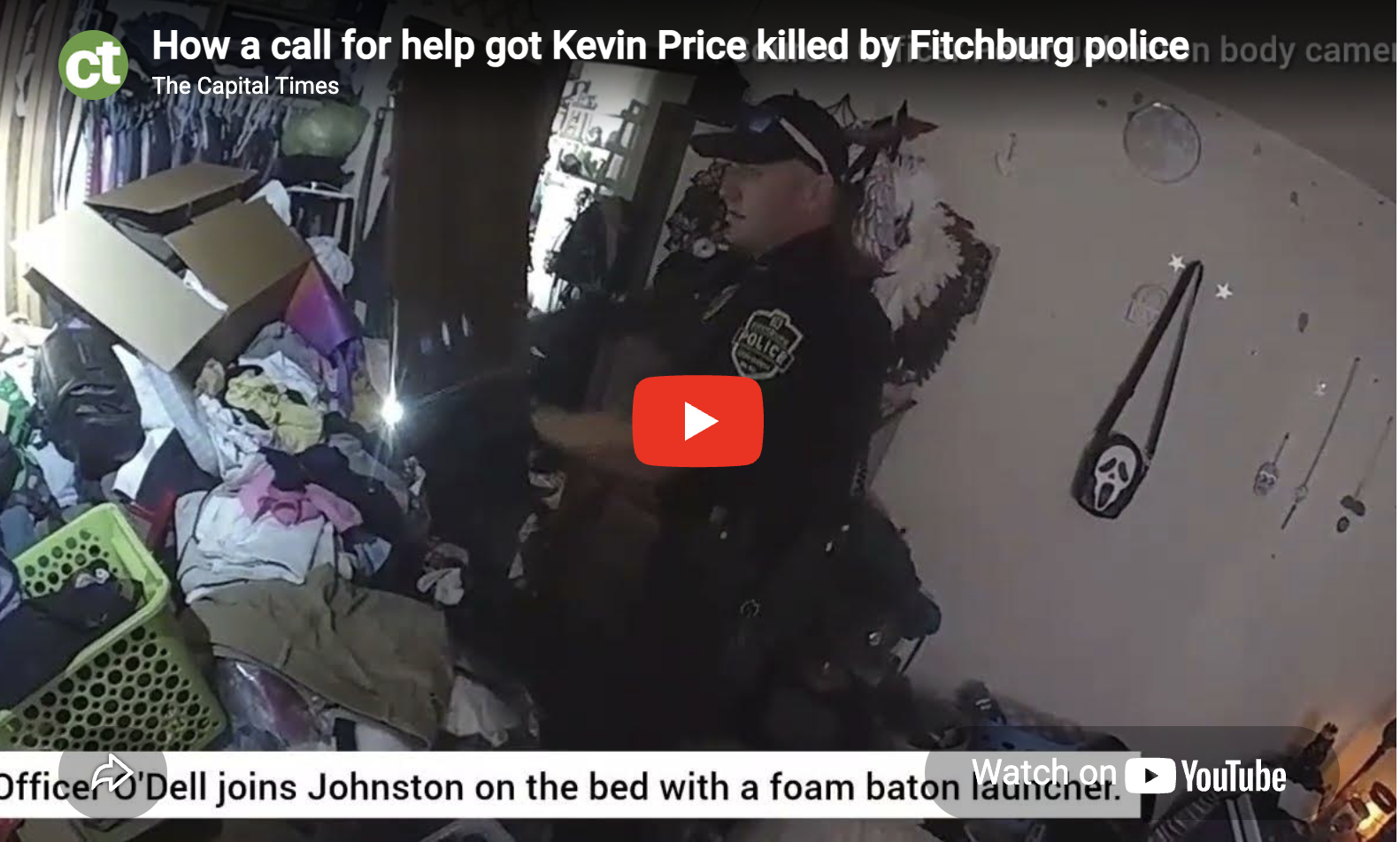
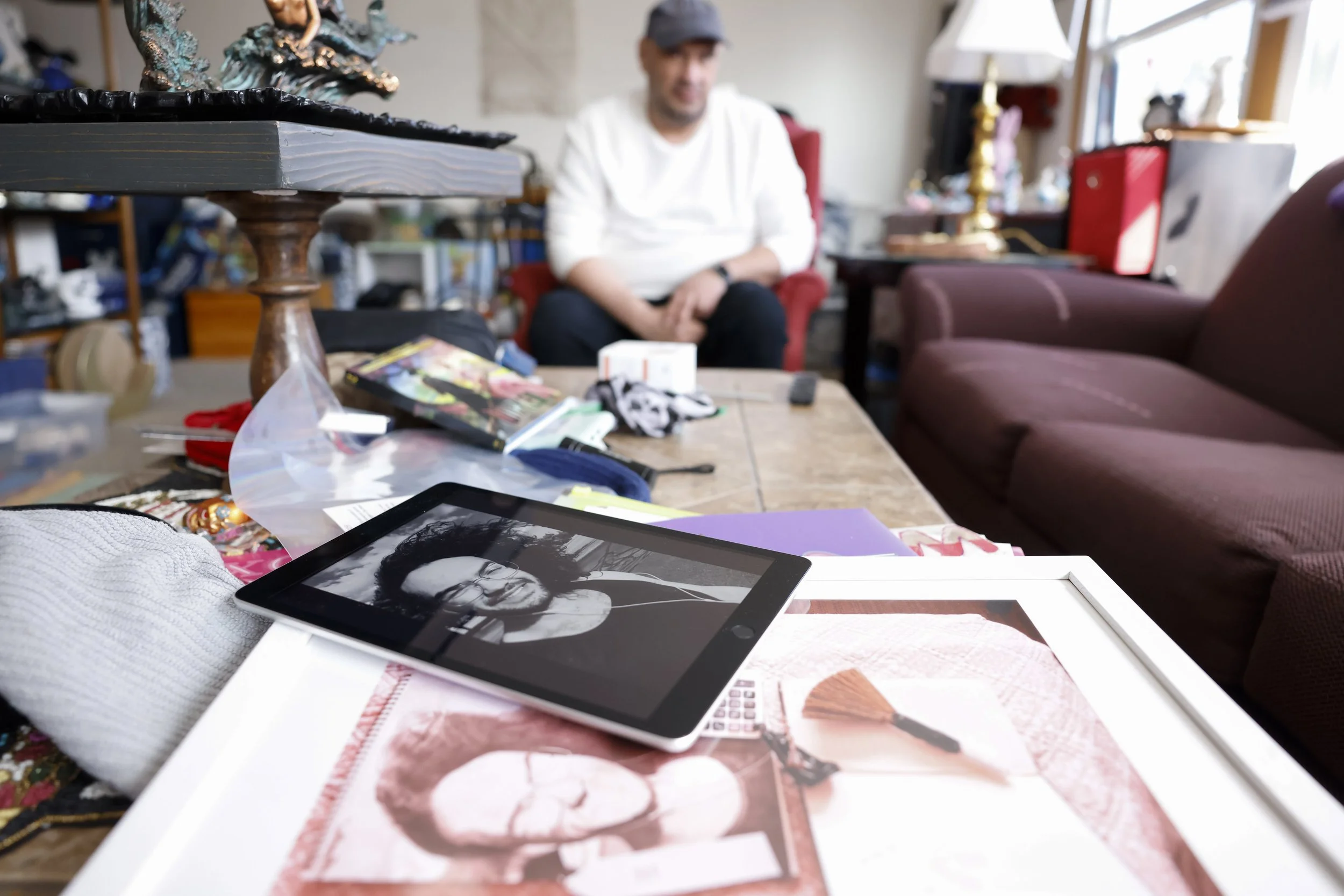
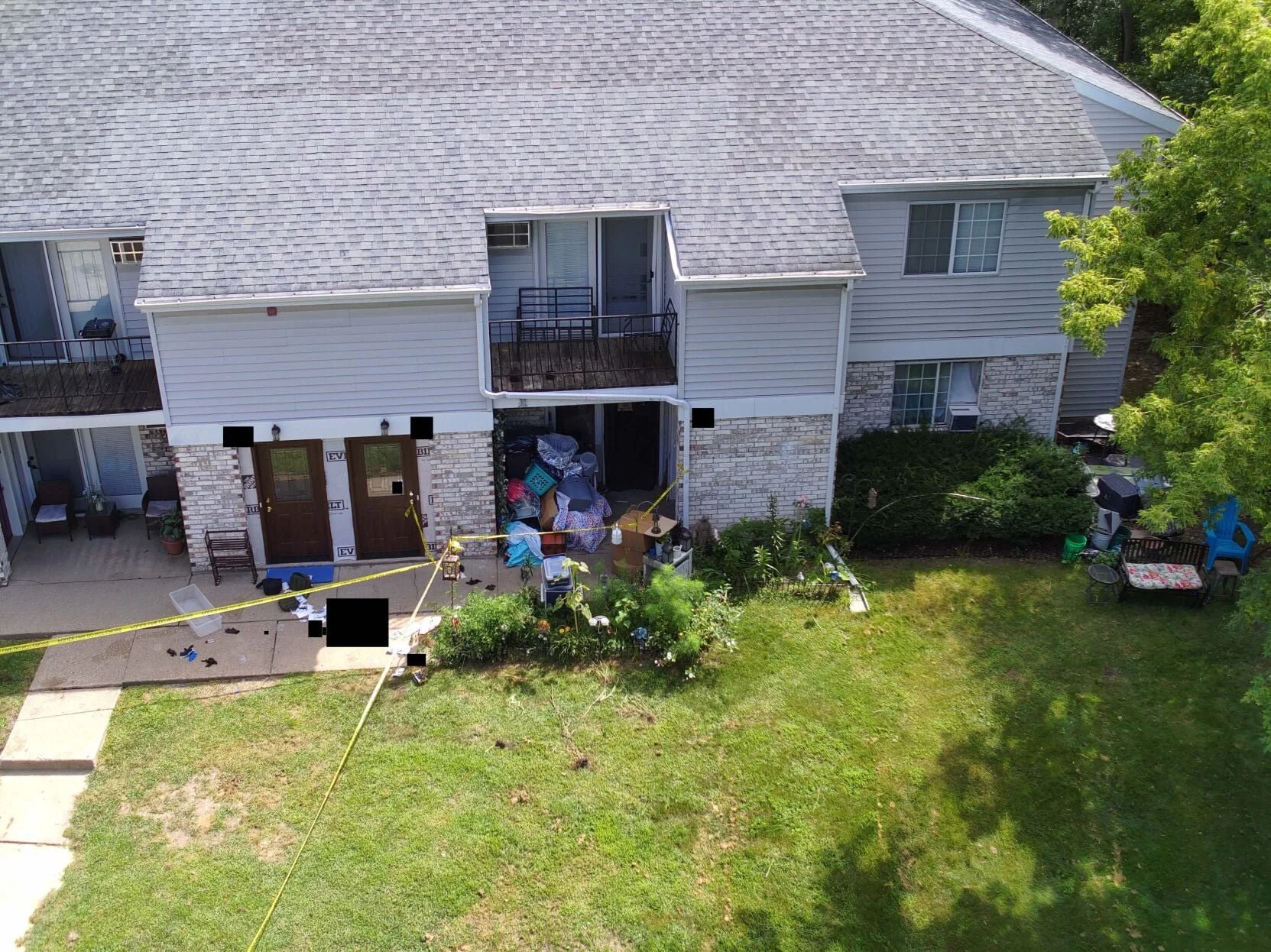
Charts and illustrations by Brandon Raygo. Photography by Ruthie Hauge, story sources and government sources.
The Cap Times | 2025 year in photos
A year-end curated collection of the Cap Times' visual coverage of 2025 — one of the most politically and socially charged years in recent Madison history. As photo director, I selected and edited images from across my team of staff and freelance photographers, pulling together work that spanned ICE protests, a Buddhist enthronement ceremony, the Wisconsin Supreme Court race, transgender youth navigating a hostile political climate, police accountability, and the everyday life of a city in the middle of it all. The collection represents the full range of what visual journalism looks like when you're covering a community in real time — from breaking news to quiet portraits, from protest to celebration.
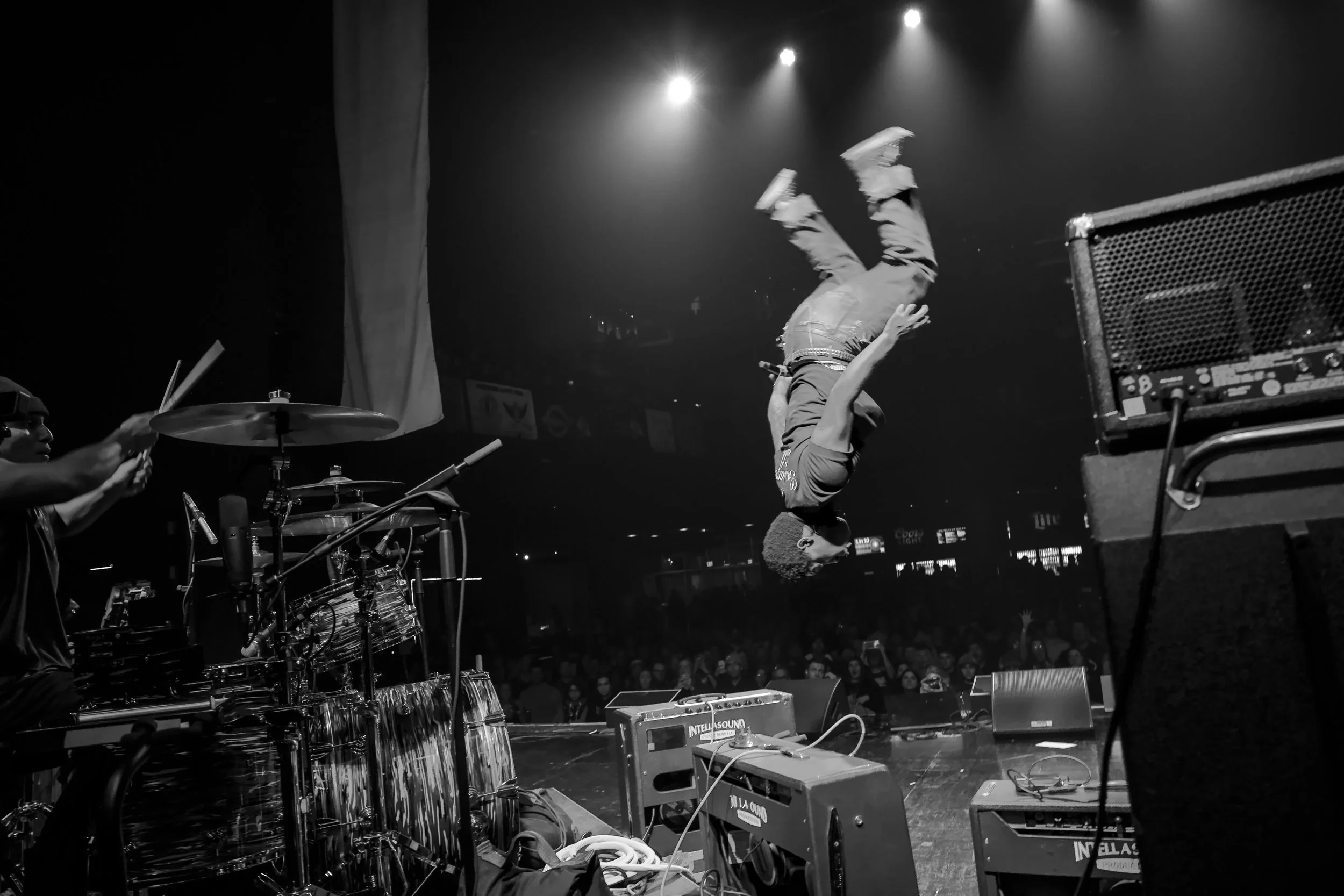
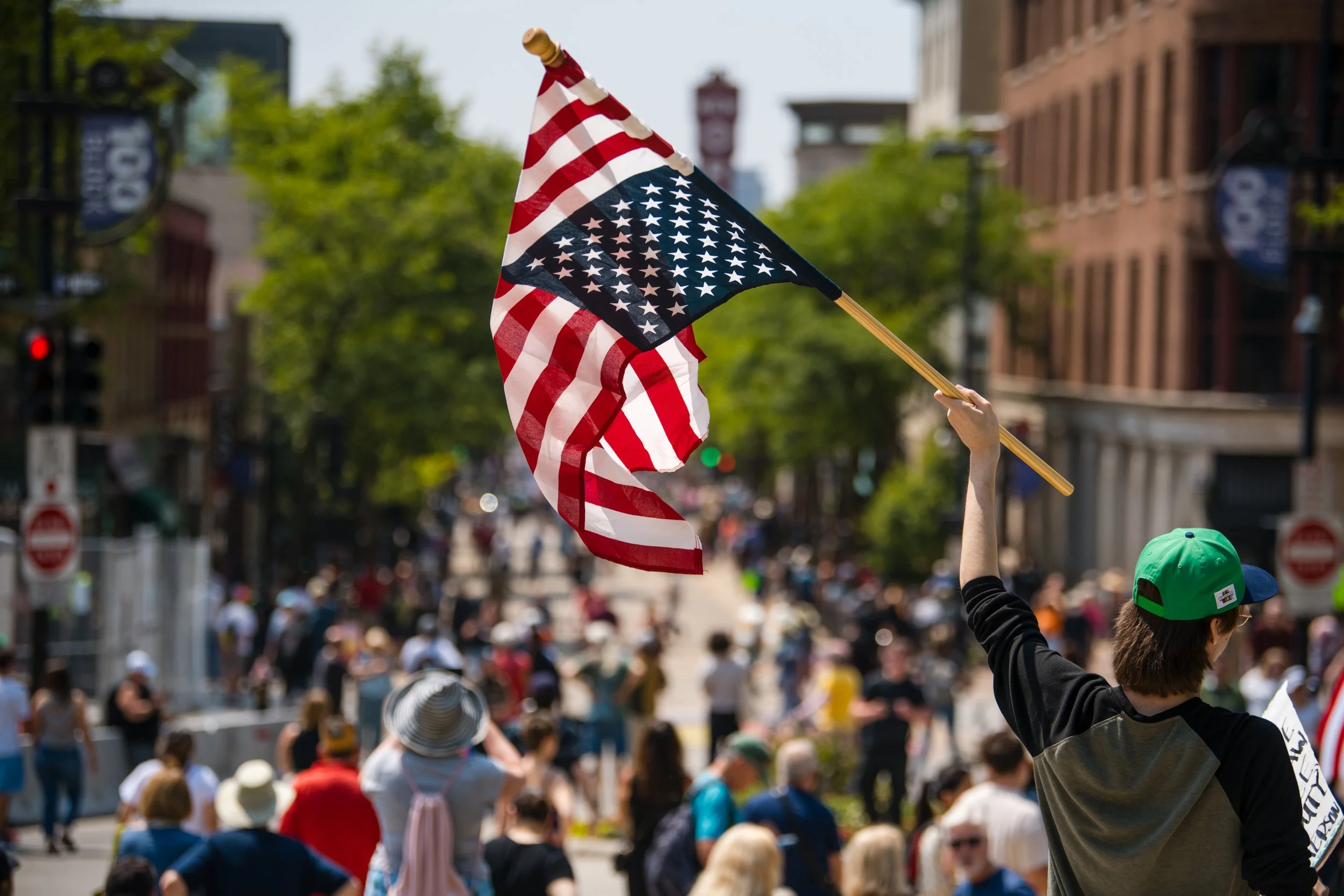
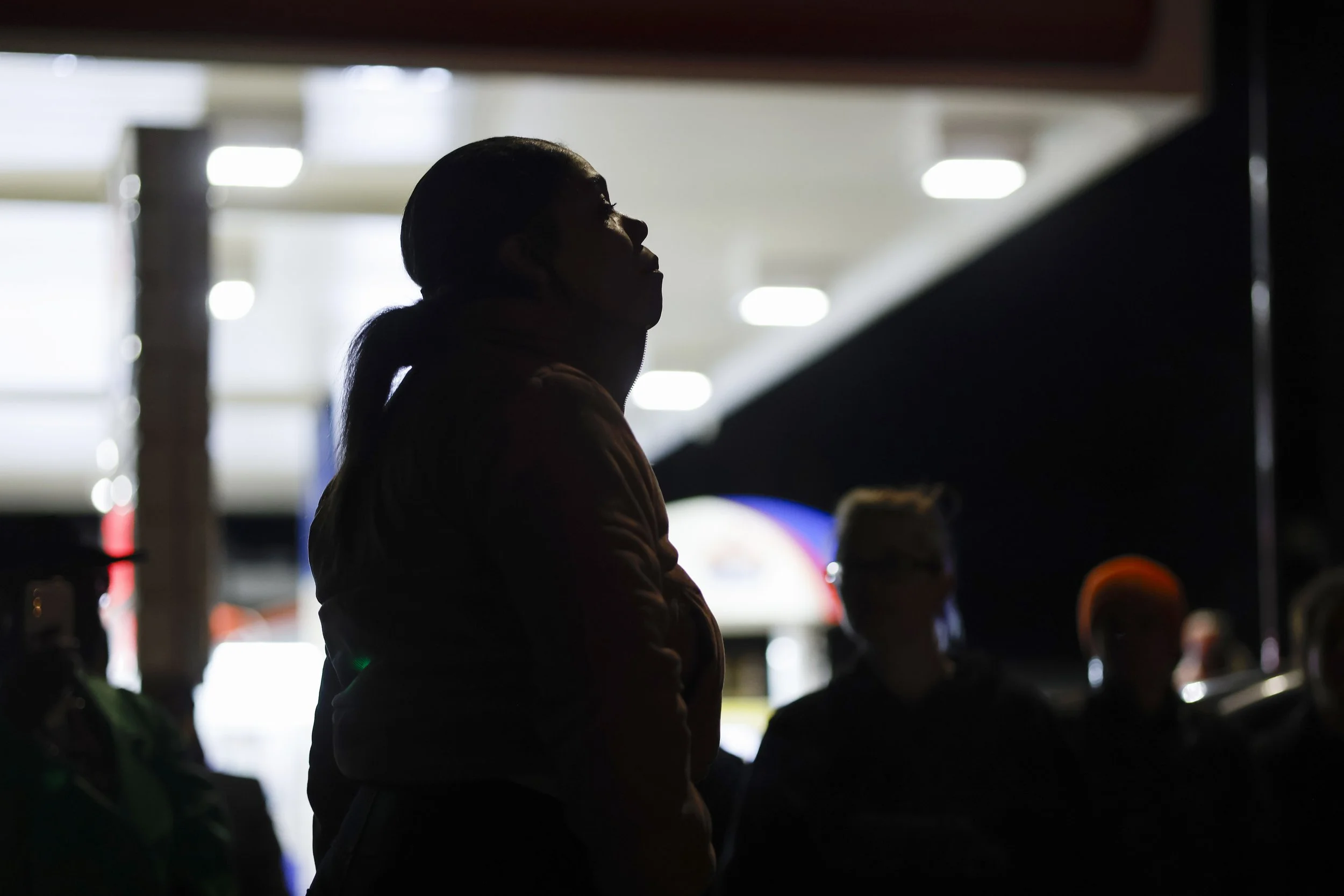
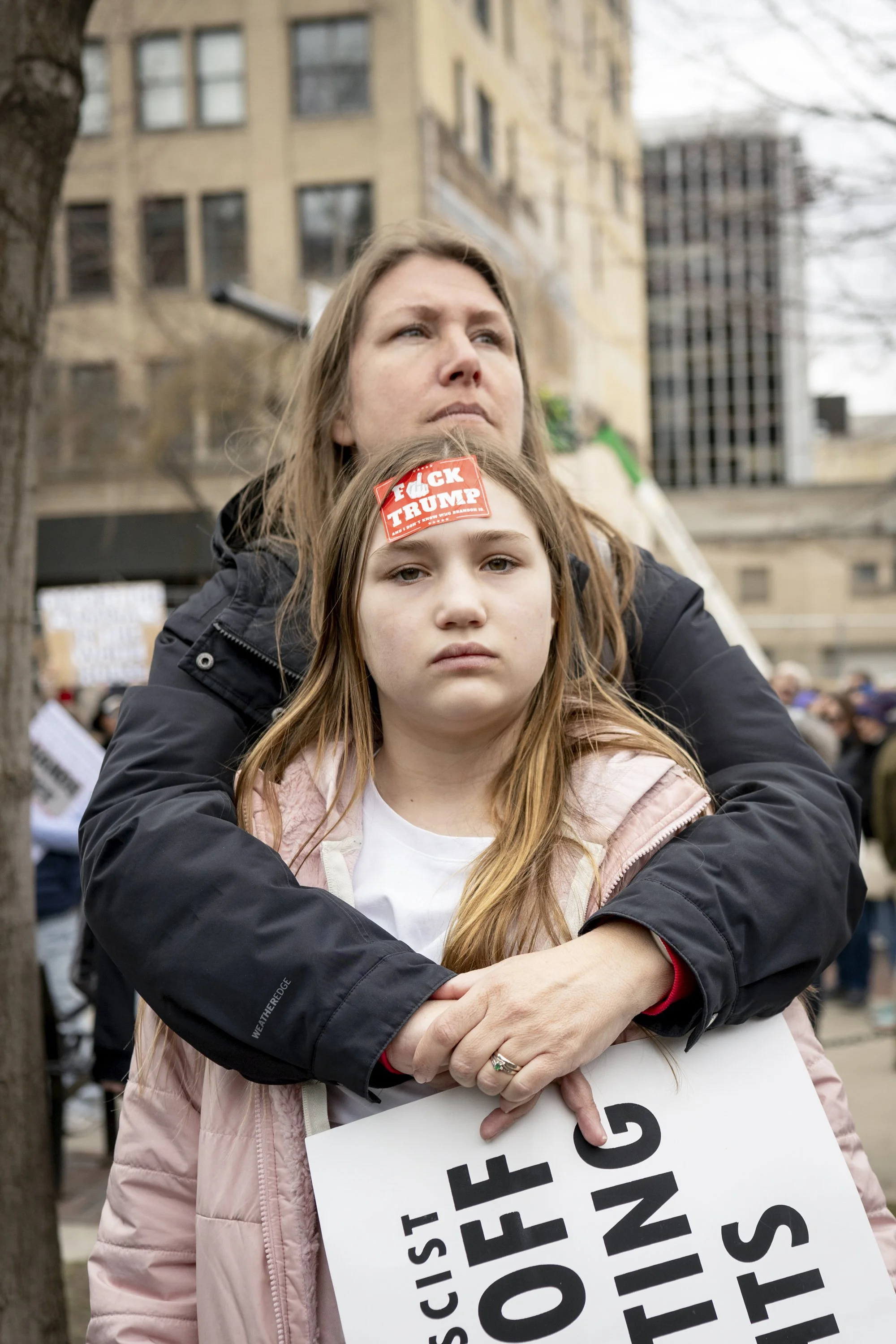
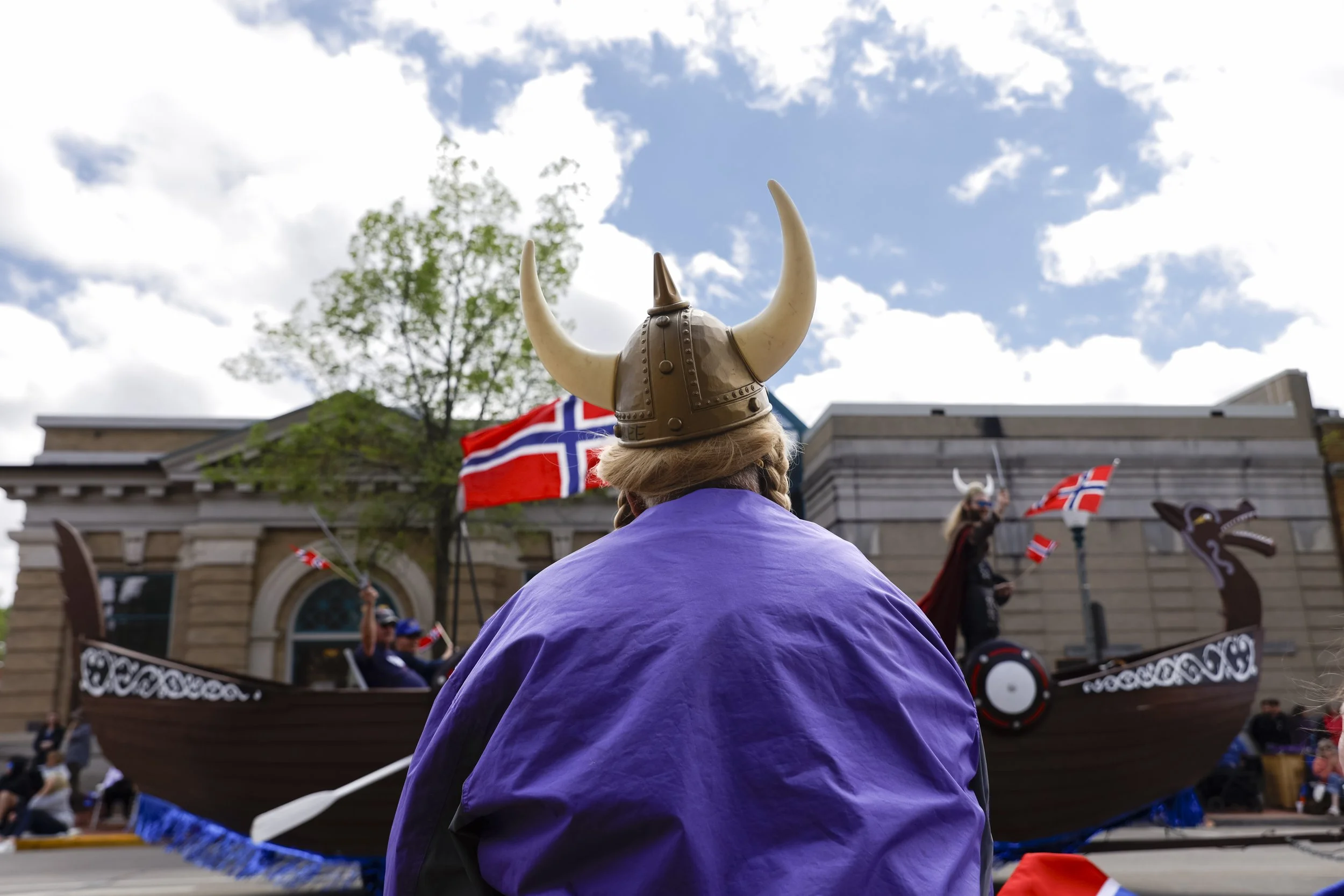
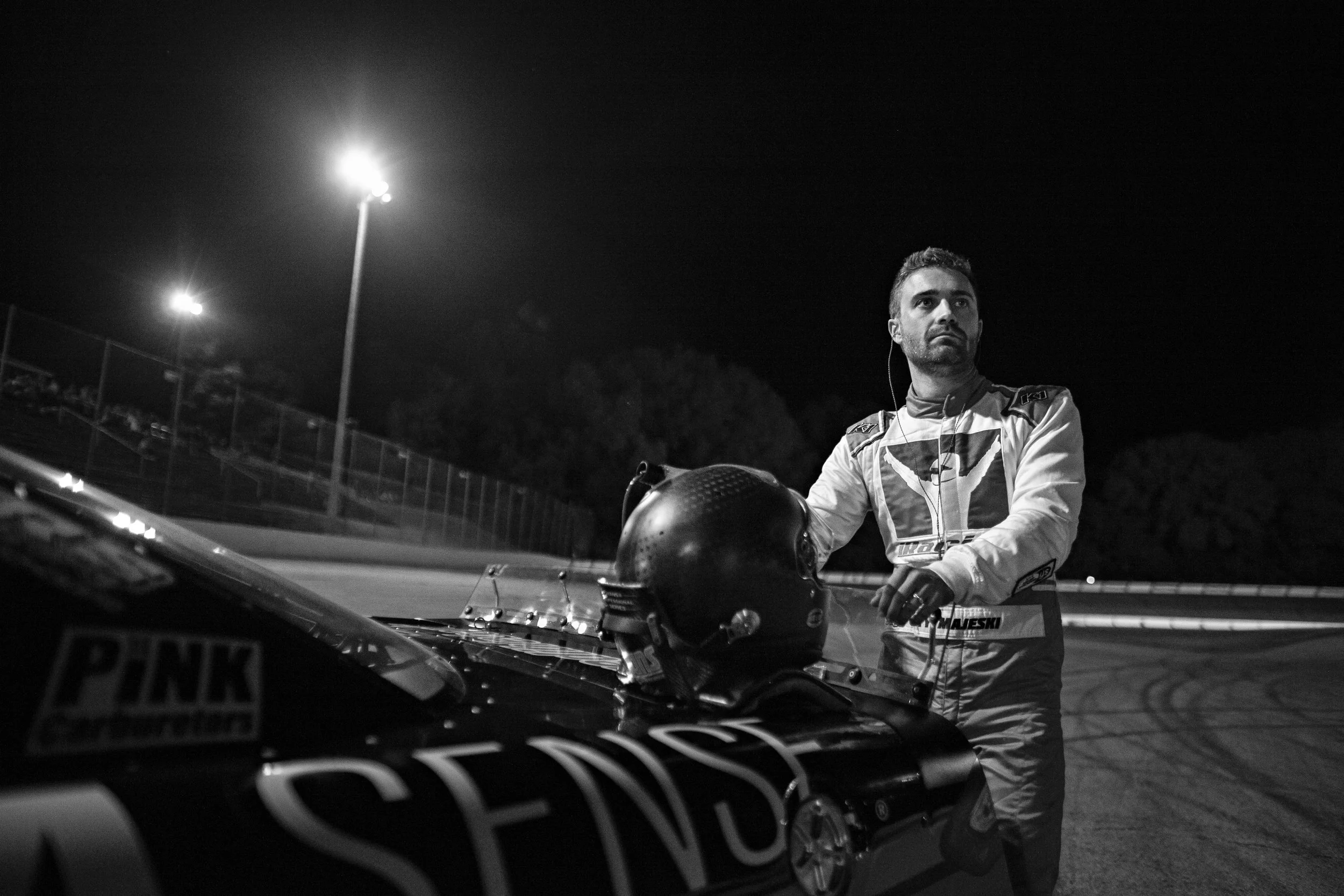
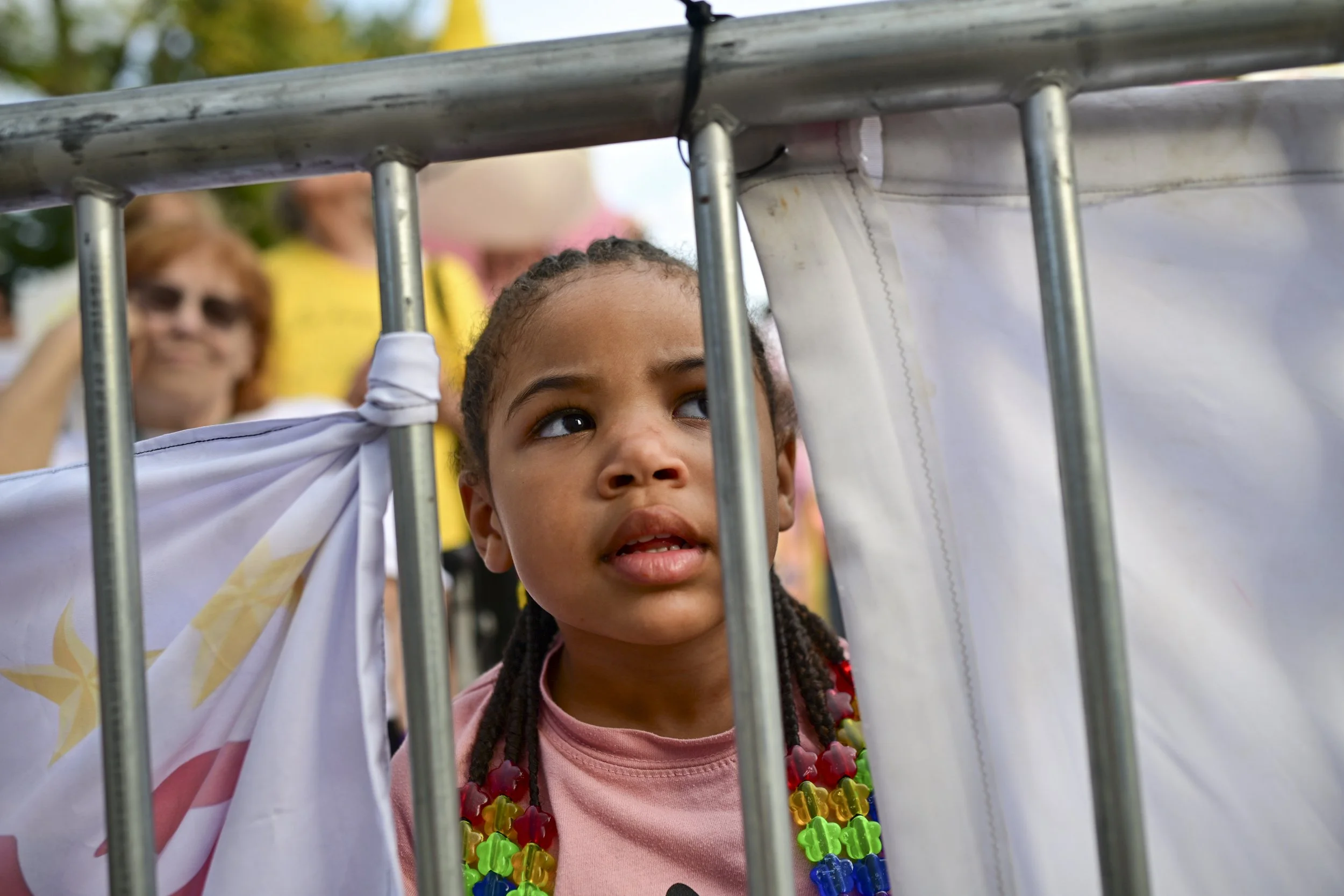
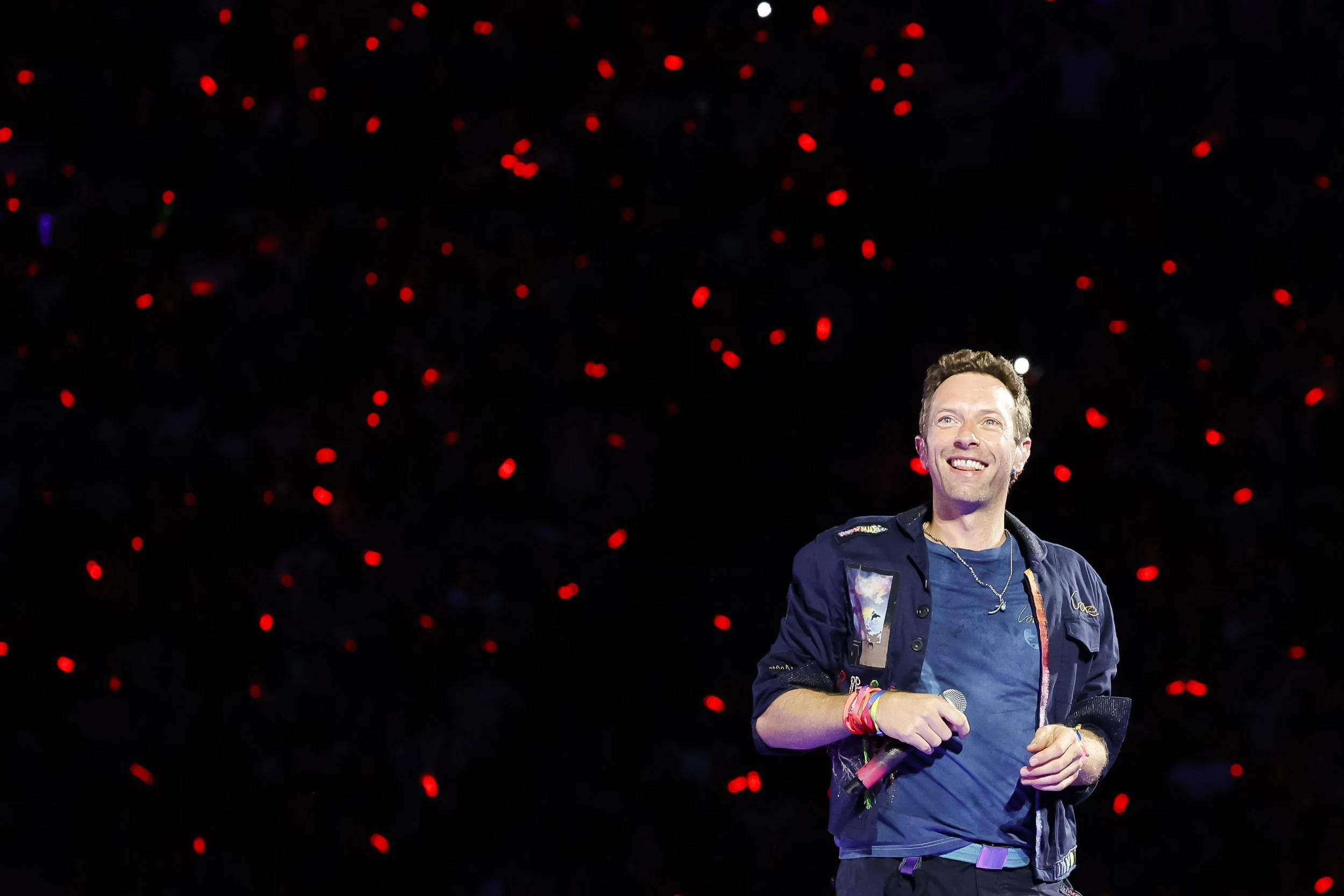
Photography by Ashley Rodriguez, Patricio Crooker, Ilana Bar-Av and Ruthie Hauge
Risky high-speed chases are routine for some Madison-area police
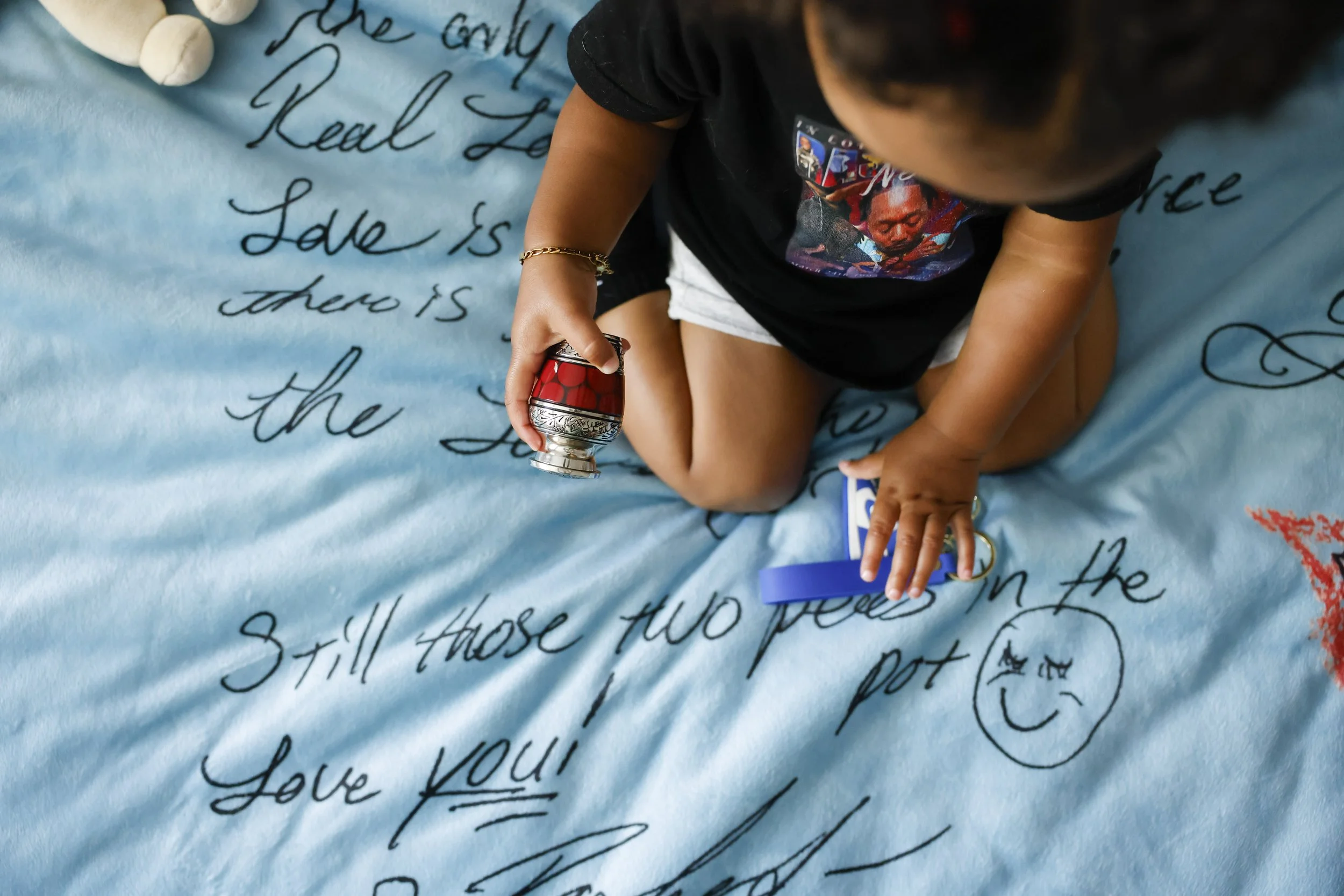
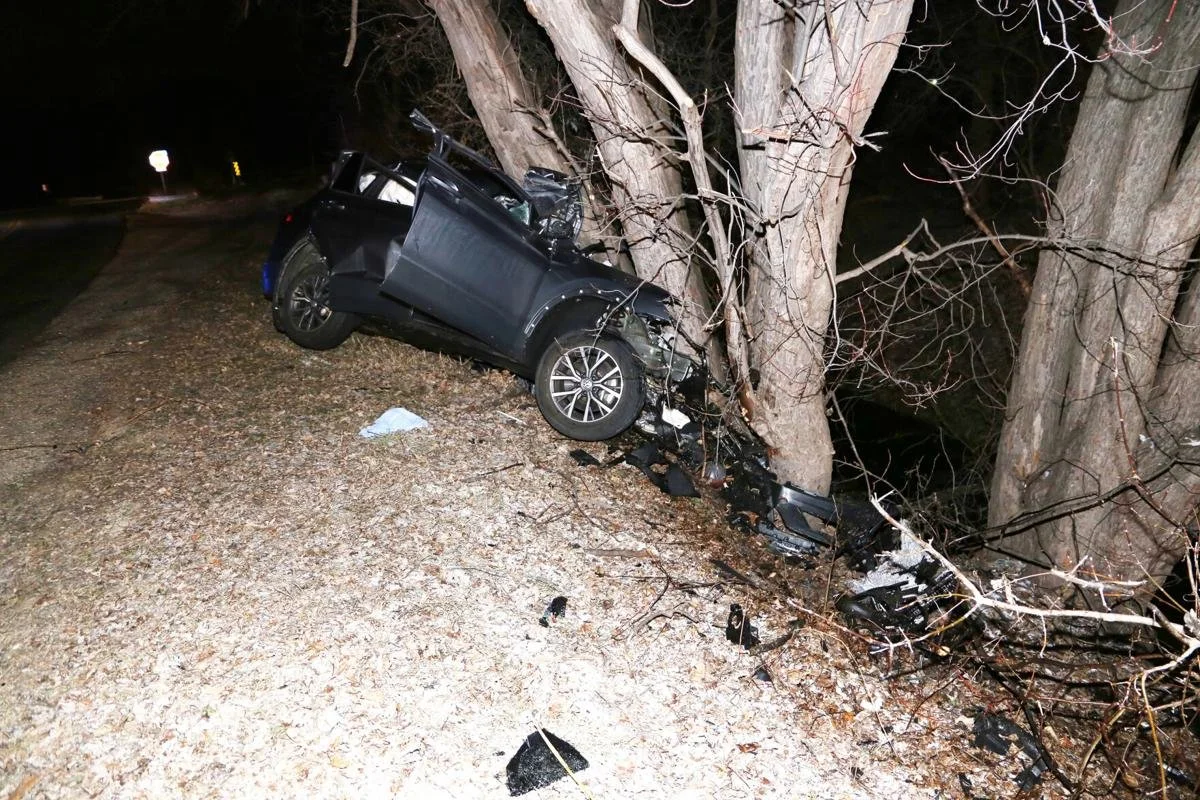
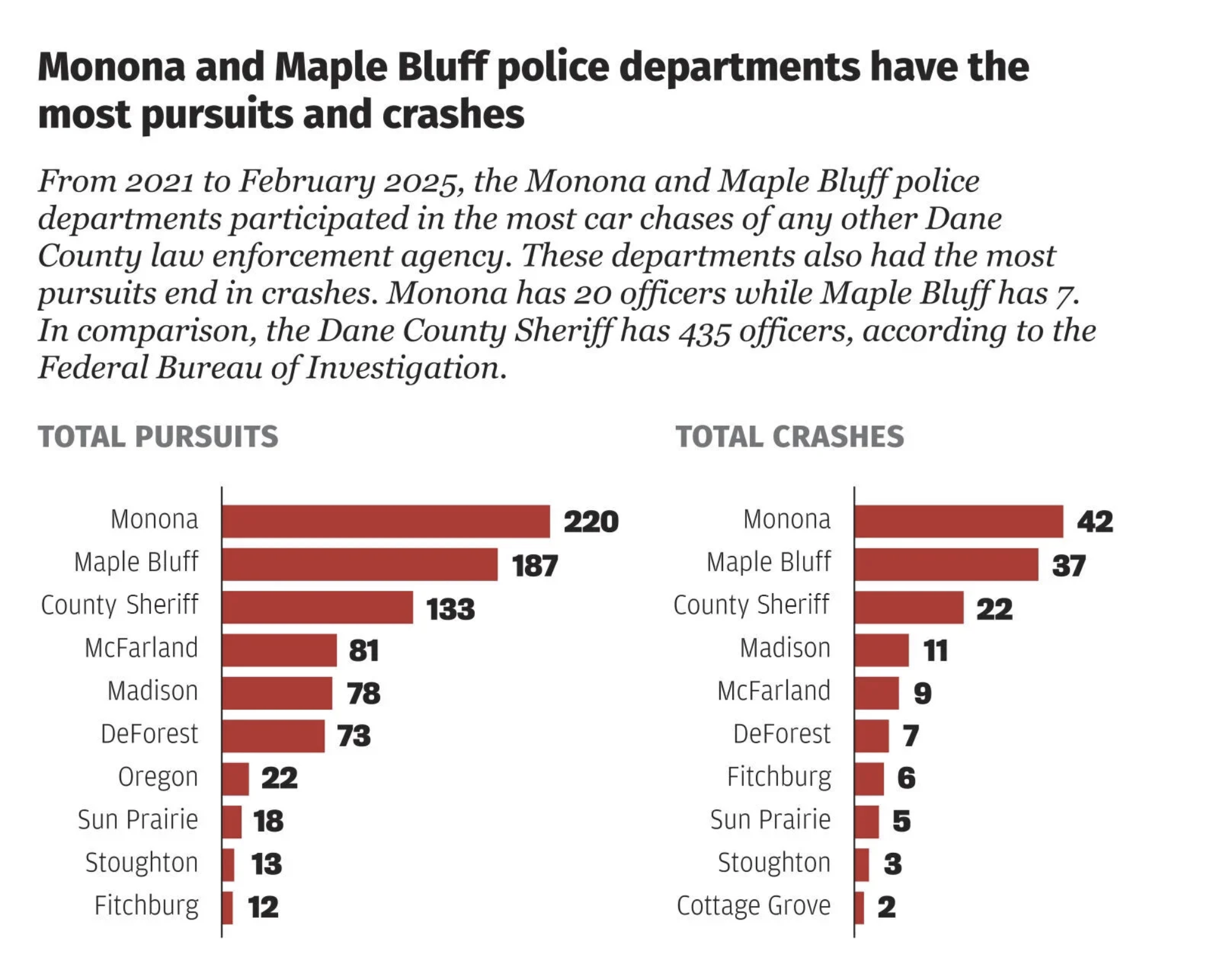
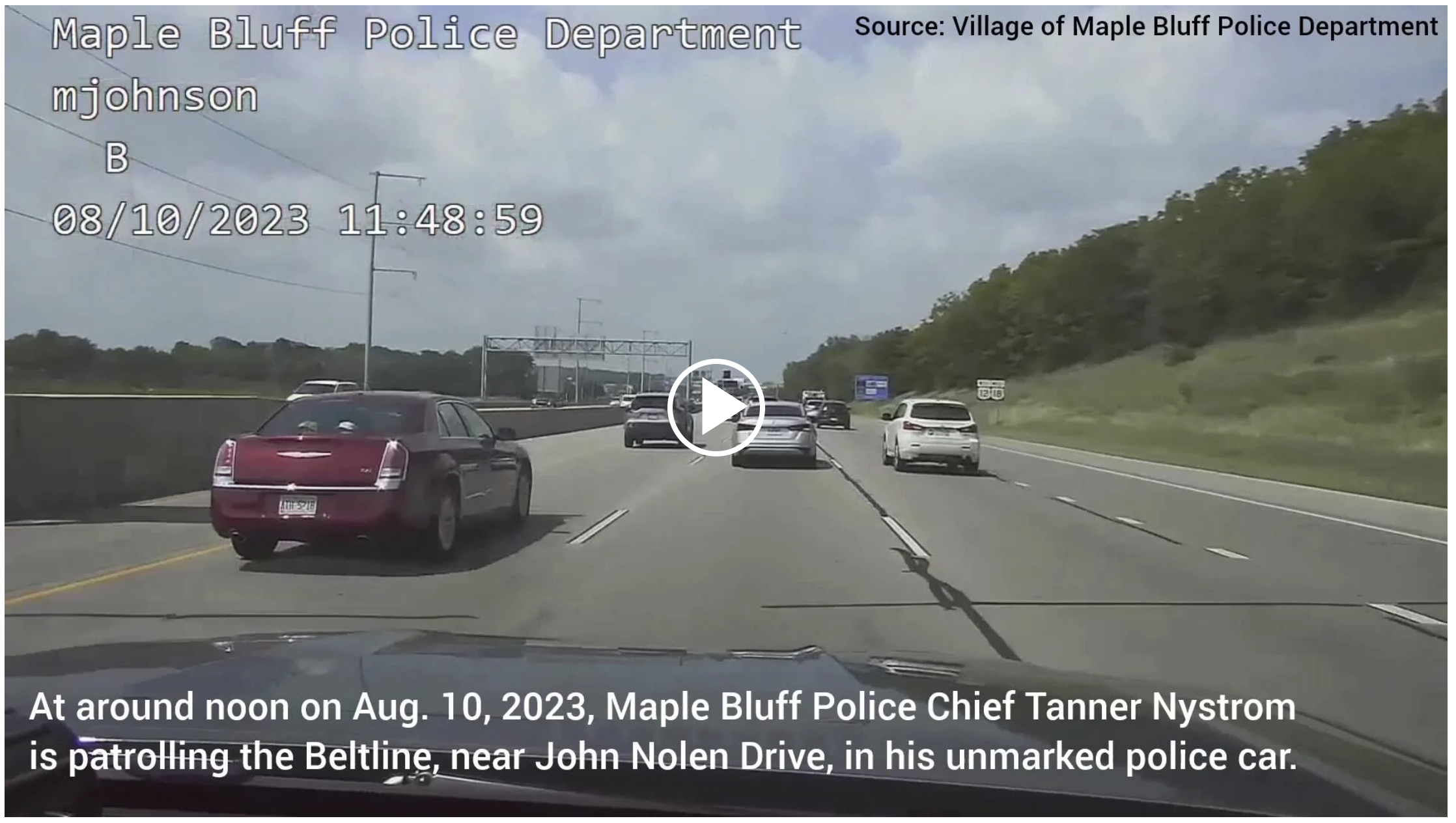
An investigative collaboration with Cap Times reporter Danielle DuClos examining high-speed police pursuit policies across Dane County — and the deaths they caused. My visual role required sourcing and curating from multiple channels: Wisconsin Department of Justice crash imagery, Monona Police Department dashcam footage and social media posts, family-submitted photographs, and data graphics I developed in close collaboration with Cap Times graphic designer Brandon Raygo. The most consequential visual decision was the cover: rather than centering any one victim's face on a story with multiple families in grief, Brandon and I decided to commission an illustration — an ethical choice as much as an aesthetic one. I also drove to Iowa to photograph Sam Hamer and her toddler daughter, who was born the day after her father was killed in the chase. The family was hesitant and had specific concerns about their daughter's privacy. The resulting images — including a toddler holding a miniature urn containing her father's ashes — exist because of the trust built in that room. The story prompted a committee meeting in Maple Bluff to review pursuit policy, a citizen watchdog response, and a public statement from the Monona police chief.
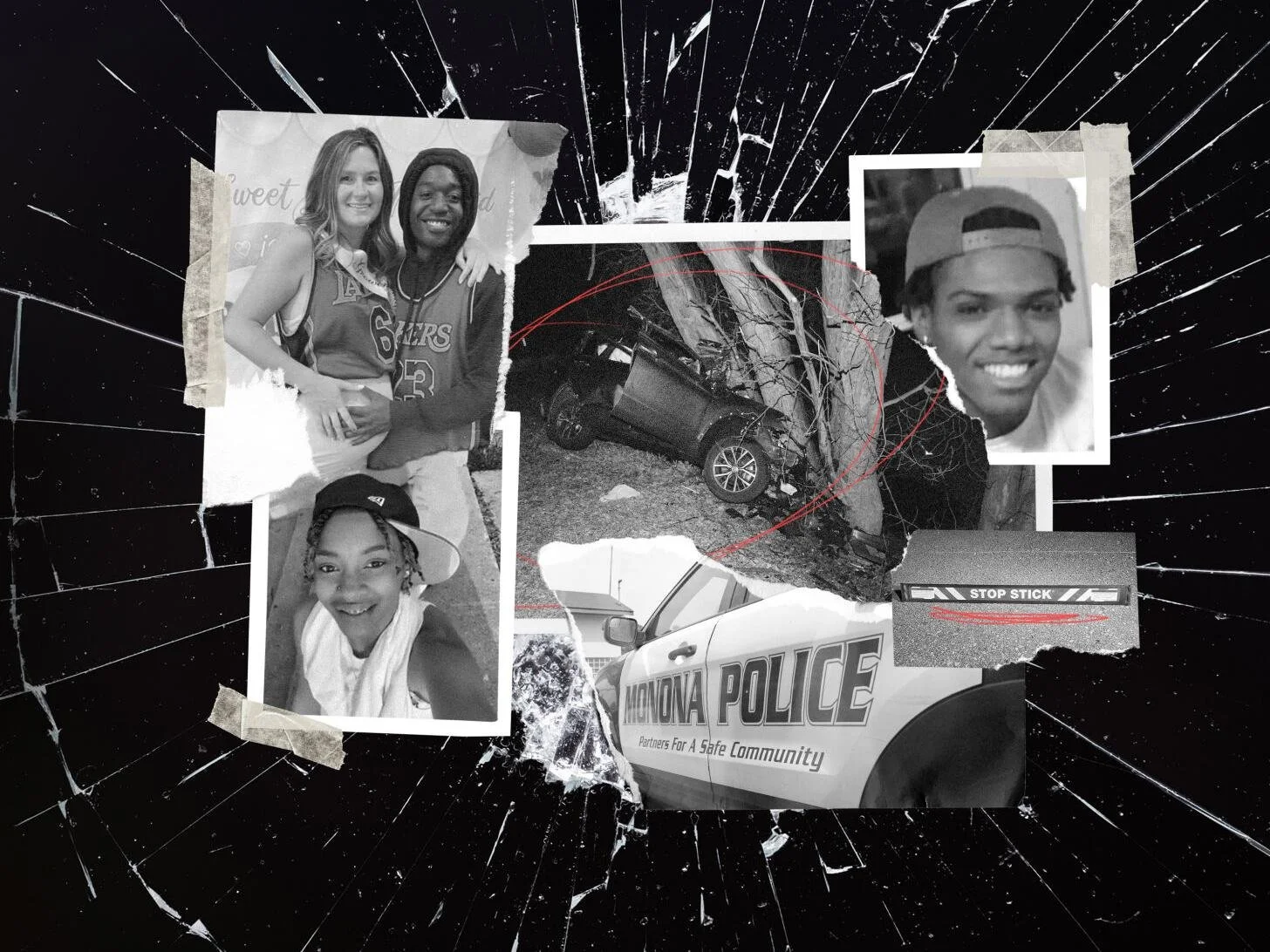
Charts and illustration by Brandon Raygo. Photography by Ruthie Hauge, story sources and government sources
The Cap Times Machine on State Street
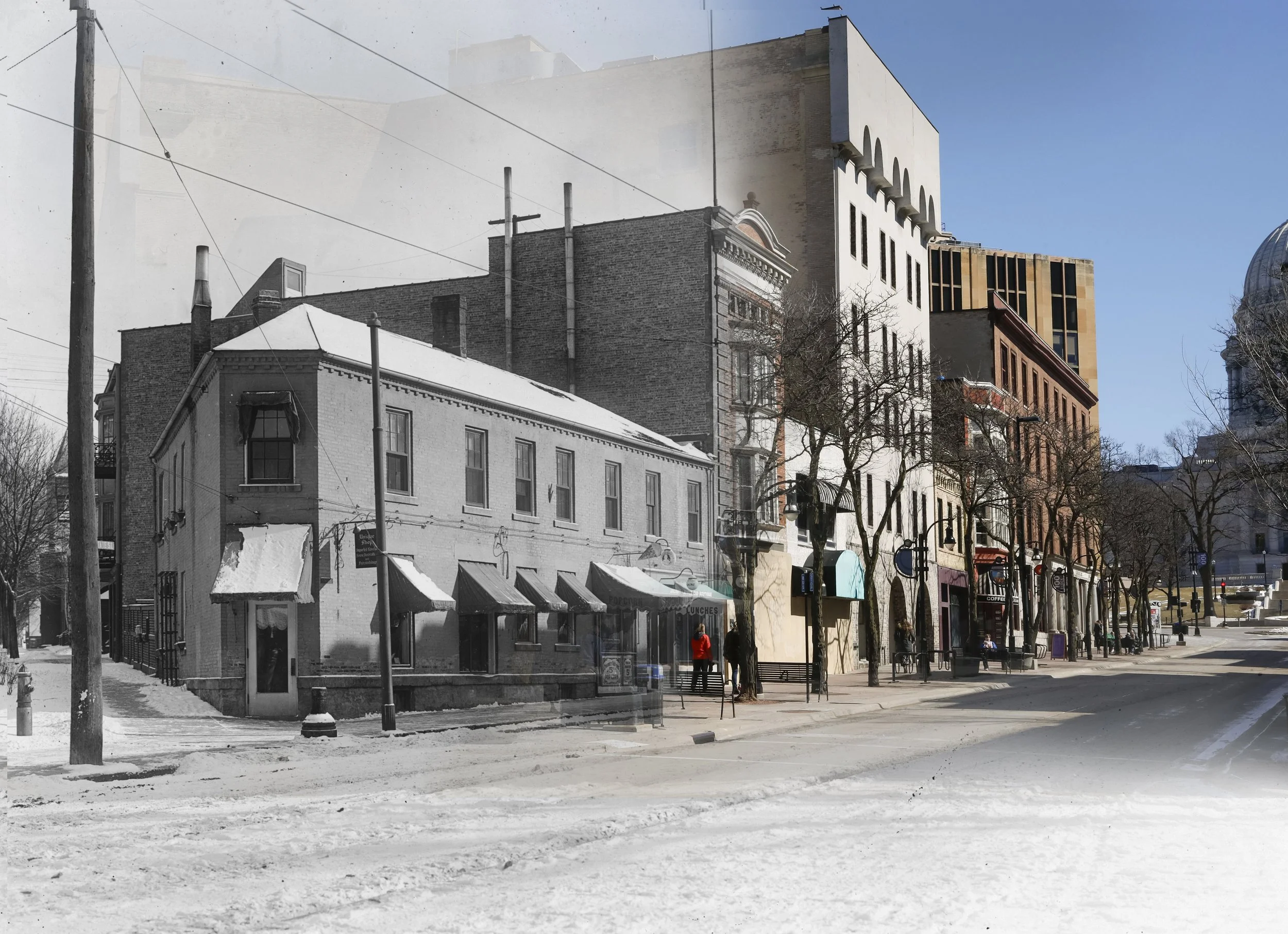
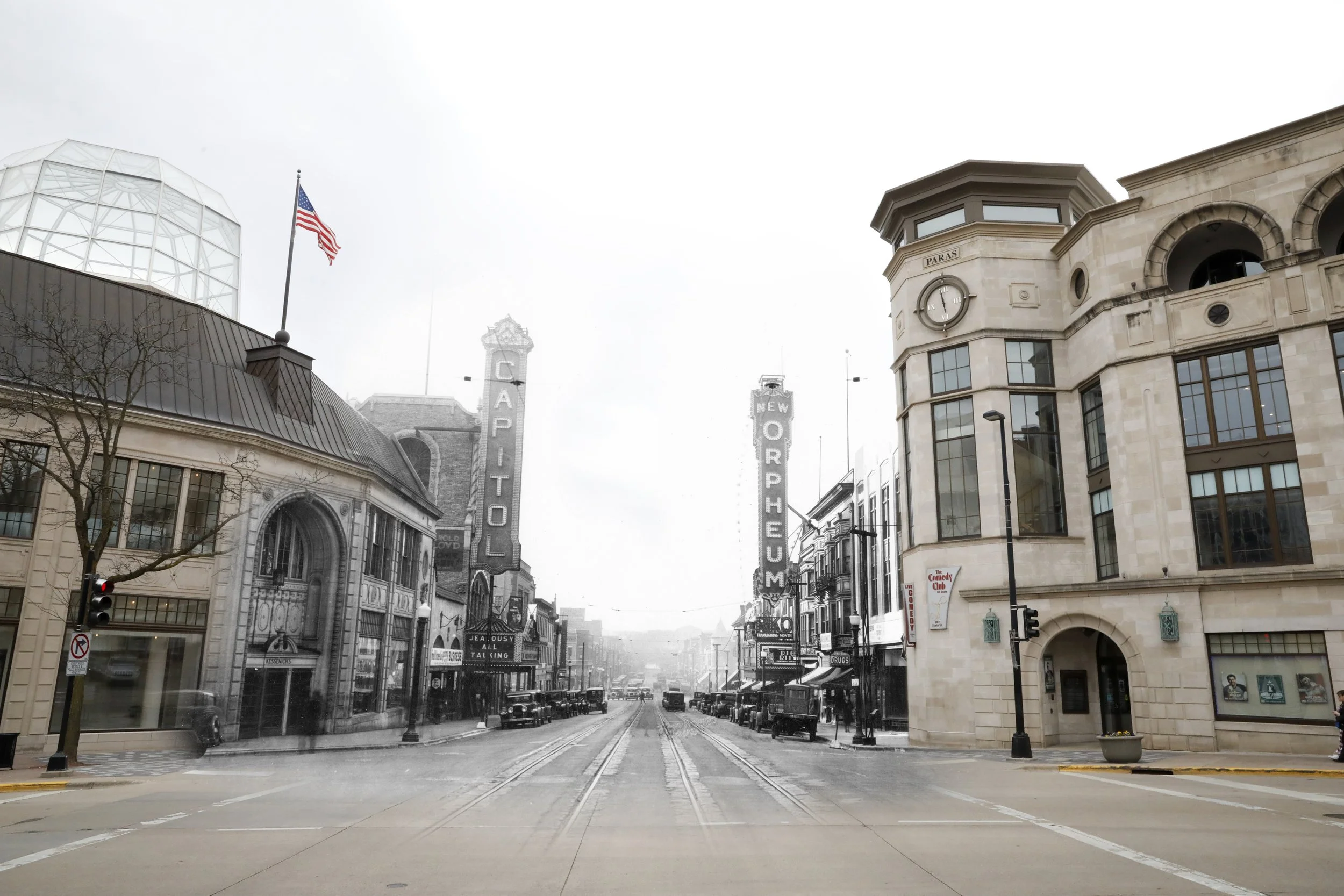
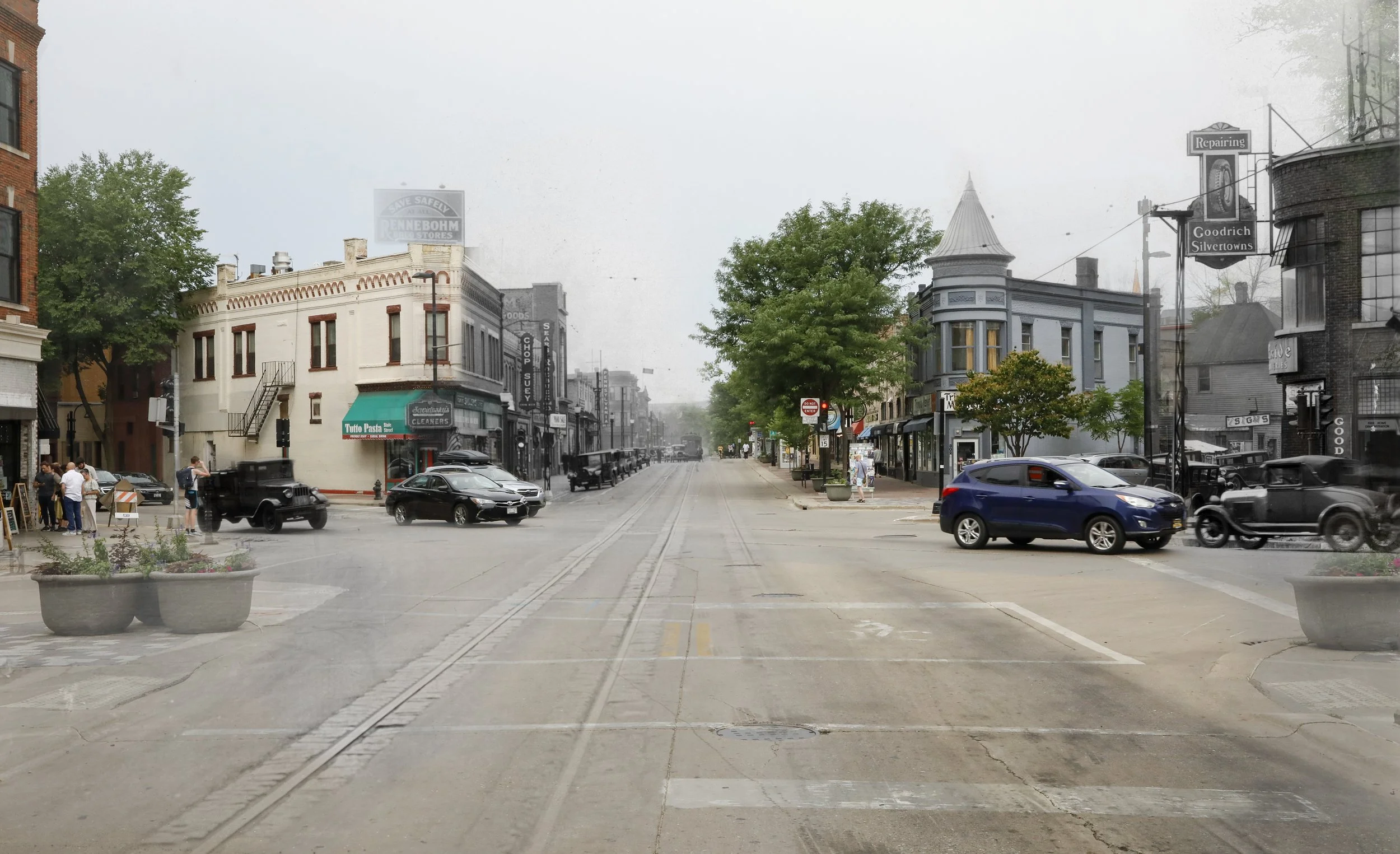
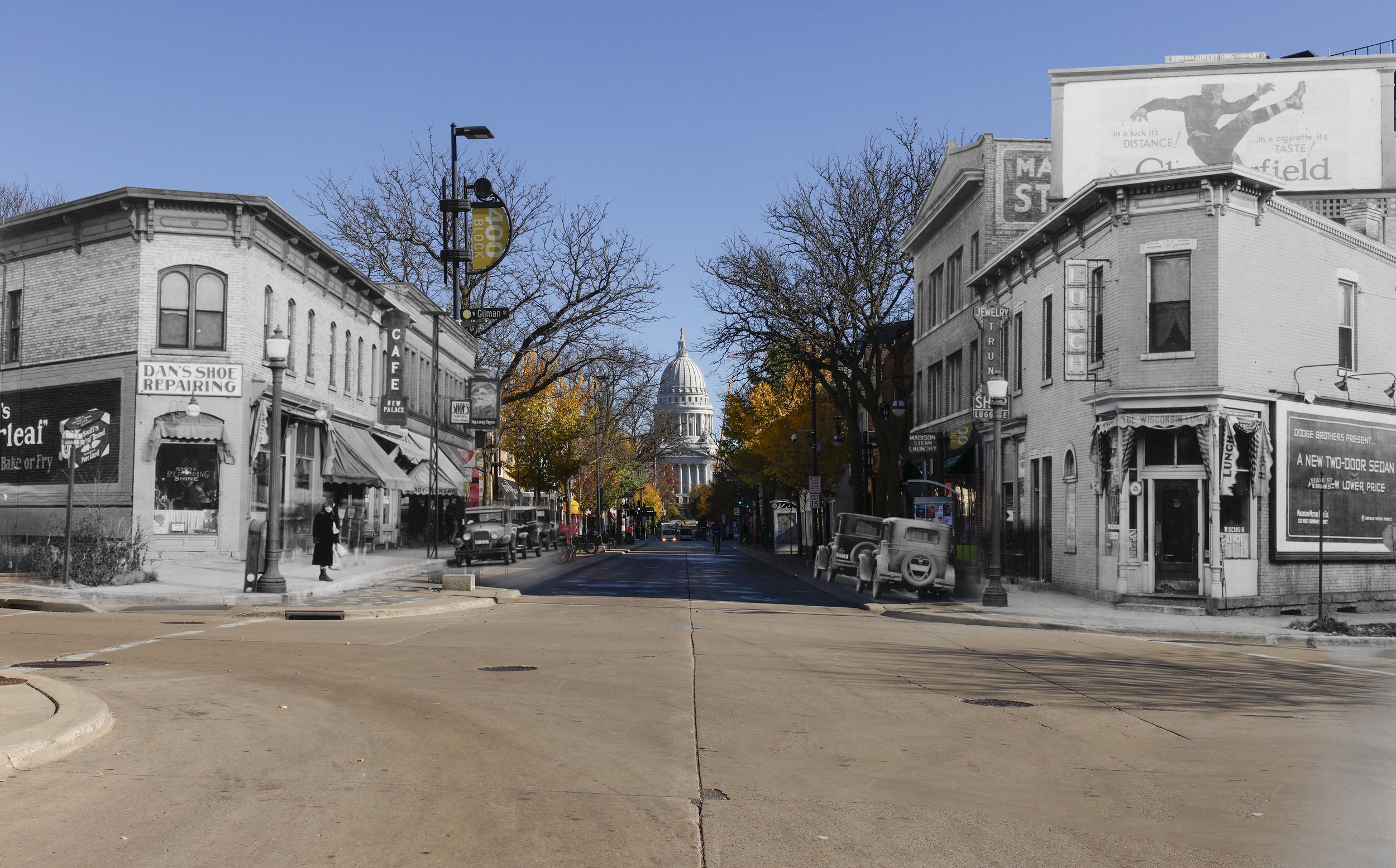
A self-initiated, ongoing series documenting the full history of Madison's State Street block by block — from the 100s through the 400s. Every element of each installment was conceived and executed entirely by me: I sourced and licensed historic images from the Wisconsin Historical Society, Capital Newspapers archives, and Wisconsin State Journal archives spanning from the late 1800s through the 1990s; researched the building history, ownership records, and tenant data for each address; shot new photography to pair against the historic images; mapped the businesses; and created the photo illustration covers for each story. The result is a layered visual archive that places the past and present in direct conversation — the same building facades, the same sidewalks, a century apart.